Table of Contents
Introduction
Did you know gaming addiction has led to approximately six killings in the past two years? Yes, India is dealing with the online game addiction effects.
In just 31 months, Karnataka has reported 32 suicides due to online gaming. The global gaming addiction is somewhere between 1-3%, but in India, the adolescents suffer with rates between 1.3% and 19.9%.
Add to this the alarming growth of fantasy games. Platforms like Paytm First Games reported an explosive 200% increase in users during the pandemic. The number of regular online gambling and betting users is more than 140 million in India and it goes up to 370 million during events like the IPL.
Through this article, we will understand the causes of online gaming addiction along with the practical steps parents can take to protect their children’s mental health.
How Online Game Addiction Starts
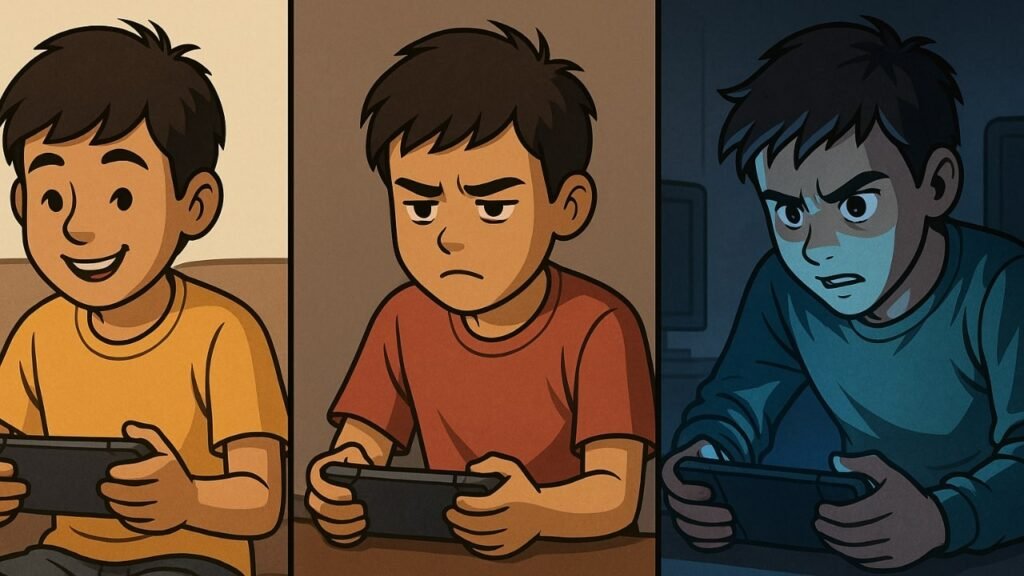
From casual gaming to addiction, the journey begins with a simple curiosity. To start with, children just want to explore. But then this entertainment becomes highly addictive and turns into a concerning pattern of behavior. Here’s how:
Curiosity turns into habit
The curiosity that begins as occasional gaming paves the way for addiction when children spend more and more time playing games. Research tells us that when gameplay exceeds more than 5 hours daily, it becomes a serious concern.
What starts as a few minutes of gaming becomes prioritizing games over other activities and studies. Eventually, if they are not playing, the children even develop withdrawal symptoms.
Social media ads and peer pressure
Sometimes, the curiosity about gaming is encouraged by friends or they introduce others to the world of gaming. This means peer pressure plays a crucial role in gaming addiction.
Parents have also noted that ads during cricket matches or other programmes on television or YouTube impact children’s gaming habits. This is what a father said about his 16-year-old son:
“He got influenced by an advertisement during the breaks, and he started using fantasy gaming apps to bet every day.”
Be it endorsements from cricketers or Bollywood stars in the ads, social media platforms amplify the effect. As per India’s Information Technology Minister, ‘the fundamental way in which youngsters get addicted to such games is through endorsements by celebrities and influencers.’
Fantasy games in India
The lucrative combination of skill, competition, and the prospect of financial gain is responsible for the growth of fantasy sports in India. With smartphones and widespread internet access, the gaming platforms are accessible to youth in both urban and rural areas.
The appeal of these games is understandable. Instead of depending on mere luck, the players require analytical thinking and sports knowledge. This in turn creates an undeniable illusion of control.
Along with escapism, the fact that gamers get to communicate and compete with each other becomes one of the primary motivations. For those coming from economically weaker backgrounds, the chance of making a quick income is irresistible. However, research shows that almost 18% of the participants suffer significant financial losses.
Warning Signs Parents Should Never Ignore
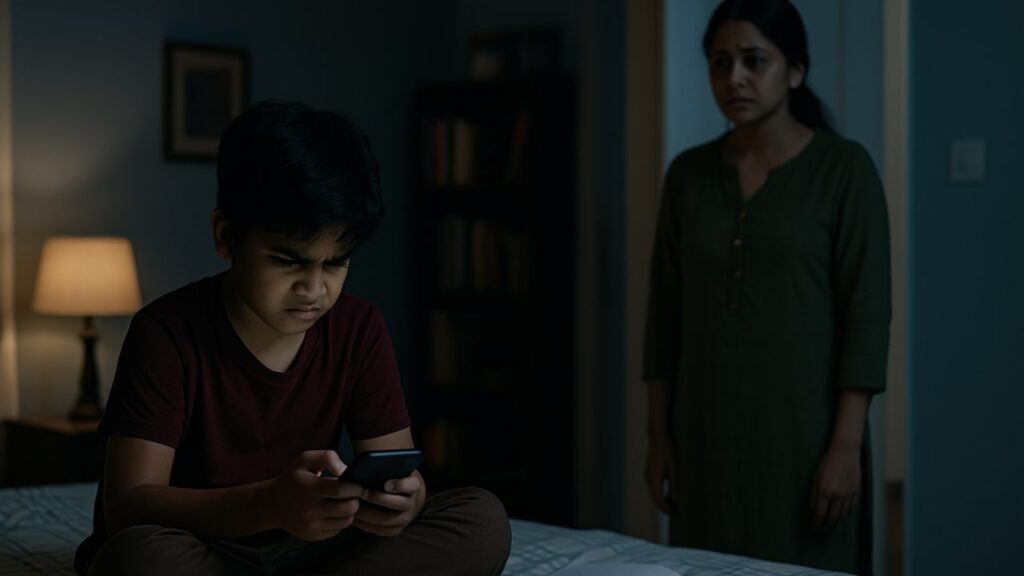
Parents need to realise that the signs of gaming addiction develop gradually over a period of time. As per research, five or the more of the following symptoms within a 12-month period can indicate gaming addiction. Read on!
Sudden mood swings and irritability
How do the children react when gaming is interrupted? Research tells us that up to 71.4% of youth addicted to games experience irritation and anger when the gameplay stops.
When asked to stop the games, children may display emotions like heightened anxiety, restlessness, or other defensive reactions. This irritability can extend beyond the gaming sessions and affect their temperament.
Loss of interest in school or hobbies
It is concerning when children abandon activities or tasks they previously enjoyed. Research also confirms that gaming addiction leads to poor academic performance and declining grades and academic performance.
Almost half of those who over indulge in online games report skipping classes without explanation. Children can also withdraw from real-world friendships with the in-game relationships becoming more important. Hence, online game addiction affects the brain.
Lying about screen time or money spent
As addiction progresses, deception to hide the fact becomes common. While about 62.8% of addicted gamers uninstall game apps out of guilt, they are also quick to reinstall it.
Also, about 60.9% borrow money to fund gaming that creates a financial strain. As for children, it is found that they lie about completing schoolwork to avoid responsibility.
Changes in sleep pattern
Sleep disruption is a warning sign. Studies have shown that excessive gamers often play late into night and this causes sleep deprivation that impacts their mood. For children, it decreases academic performance.
Gamers who keep the gaming computers in their bedrooms tend to go to bed later on weekdays and naturally, spend less time sleeping.
63.9% of gamers have reported headaches, 56.4% nausea, and 52.1% dizziness. These physical symptoms are known to accompany the disrupted sleep pattern.
The Impact on Families
Above and beyond the screens, online game addiction affects families and the overall emotional wellbeing. Many studies have stated that the impact of this growing problem has reached crisis levels in Indian homes.
Emotional breakdowns and isolation
Studies have included anxiety, depression, loneliness among youth, and severe psychological distress in online game addiction effects. In India, approximately 3.5% of adolescents suffer from Internet Gaming Disorder. This results in social withdrawal and isolation from family members.
By spending more time on gaming, children avoid face-to-face interactions that weakens their interpersonal relationships and social skills. About 61.6% of addicted gamers hamper their real-world connections as they remain restricted to their gadgets.
Financial losses and secret loans
While the gaming industry grows, so does the financial toll of online gaming addiction. According to government estimates, due to online real-money gaming, around 45 crore Indians collectively lose approximately 20,000 crore annually.
Research further says that children have drained family bank accounts and hidden debts as the online gaming addiction grows. Consequently, as many as 60.9% of those borrow money from others to fund this habit.
Remember the PUBG craze? A 17-year-old boy reportedly spent as much as ₹17 lakh playing PUBG and this caused both financial and emotional distress for his family .
Strained parent-child relationships
Watching their children give in to gaming addiction activities, parents are bound to feel frustrated and helpless. This in turn, can affect parent-child relationships.
Almost 50.9% of addicted gamers experience damaged interpersonal relationships. In this matter, studies show that poor communication and resulting hostility in parent-child relationships is directly linked to gaming. Here’s what one parent had to say:
“I feel incredibly lonely… If one had met with other parents in the same situation, maybe one would have understood it was a problem.”
Cases of self-harm and suicide attempts
Alarmingly, research has established a clear connection between gaming addiction and suicidal behavior.
As compared to others, those with Internet Gaming Disorder have 2.2 times greater odds of suicidal ideation, 2.3 times greater odds of self-harm, and 2.7 times greater odds of suicide attempts.
A 20-year-old engineering student from Hyderabad ended his life after losing a significant amount of borrowed money to online gaming.
How to Help Your Child Break the Cycle

For children to break free from online game addiction effects, consistent parental involvement is required. Let us look at a few strategies to tackle this challenge head-on and develop healthier digital habits.
Start open conversations early
Instead of criticism, choose open and judgment-free discussion to build trust. Try to understand the inner workings of the child’s mind, ask about what they enjoy and express genuine interest.
Over time, this approach will build a foundation and relation where children will feel comfortable sharing concerns and opening up about their gaming experiences.
Set screen time boundaries
It is important to set boundaries for screen time. As per experts in the field, screen time for school-going children should be limited to two hours daily.
At home, you can establish tech-free zones like dining areas and bedrooms. It is important to be consistent with the rules you set and give children time to adapt. Usually, they will take a week or two to adjust to new routines.
Seek professional help when needed
If online game addiction effects persist despite various efforts, seek help from professionals.
Signs such as compulsive gaming, neglecting responsibilities or becoming defensive about habits will indicate the need to consider professional intervention.
The treatment options include cognitive behavioral therapy, family therapy, and other digital detox programs. Nothing is a taboo!
Use parental control tools wisely
Before implementing any controls to tackle online game addiction effects, discuss these with the children to maintain trust.
There are many platform-specific controls on devices. Family Sharing for Apple, Family Link on Google, and Microsoft Family Safety give customizable time limits and content restrictions.
Encourage offline hobbies and socializing
Bring children back to the offline world and offer a natural alternative to screen-based entertainment.
Try to revive their interest in activities by involving and joining children in sports, arts, or even family game nights. By encouraging physical activities, parents can help boost mood and improve overall health.
Key Takeaways
Early intervention through identifying patterns, open communication, and providing alternatives can help tackle gaming addiction. Here are some insights for parents:
Watch for critical warning signs:
Mood swings or irritation when the gaming stops, lying about screen time, declining grades, and disrupted sleep patterns can indicate addiction.
Gaming addiction develops through peer pressure and advertising:
Celebrity endorsements, social media advertisements, and peer influence can lead to gaming disorders in children.
Set firm boundaries:
Establish tech-free zones in the house and for school-going children, limit the screen time to 2 hours daily.
Financial and emotional consequences:
Gaming addiction is linked to 2.7 times higher suicide attempt rates among affected youth. Also, Indian families lose up to ₹20,000 crore annually to online gaming.
Professional help and offline alternatives are essential:
Encourage sports, creative activities, and social interactions. If online game addiction effects continue, consult professionals and seek cognitive behavioral therapy.
FAQs
What are the warning signs of online gaming addiction in children?
Online gaming addiction affects brain and when sessions are interrupted, children can display mood swings. There can be noticeable loss of interest in school or hobbies, changes in sleep and eating patterns, etc.
How does online gaming addiction start in Indian homes?
The curiosity about gaming can gradually turn into a habit, and then addiction. Advertisements, promotion by celebrity and influencers, fantasy games, and potential financial gains can lead to development of addiction.
What are the real-world impacts of gaming addiction on children and families?
Impact range from emotional disturbances, social isolation, financial losses, and in extreme situations, self-harm or suicide attempts. In children, it leads to poor academic performance, strained parent-child relationship, and disrupts sleep patterns.
How can parents help break the cycle of gaming addiction?
Parents can start with open communication, limit screen time, use parental control tools in consultation with children, and encourage offline hobbies. If nothing helps, they should seek professional help such as cognitive behavioral therapy for battling online game addiction effects.
What are the financial consequences of online gaming addiction in India?
Gaming addiction takes a significant financial toll on families and individuals. As per Government estimates, around 45 crore Indians collectively lose approximately ₹20,000 crore annually to online real-money gaming.
Conclusion
Online gaming addiction is a growing crisis for many families in India. From casual entertainment, gaming can turn into addiction with serious consequences.
Emotional isolation, financial losses, strained family relationships, or attempts to self-harm, the impact can be severe. Parents must watch for warning signs like mood swings or disrupted sleep patterns and encourage open conversation about gaming habits.
Children should be encouraged to rediscover the joy of sports, creative pursuits, other offline activities, and engage in social interactions. Above all, this battle against gaming addiction requires practical and consistent effort, patience, and understanding.
Timely intervention can prevent harmful outcomes and lead children towards healthier digital habits. With awareness and action, gaming addiction can be tackled.
Recommended Articles
If you found this topic interesting, you might also enjoy reading these articles: